


ABOUT THE BOOK
Across Arabia: Three Weeks in 1937 by Geraldine Rendel
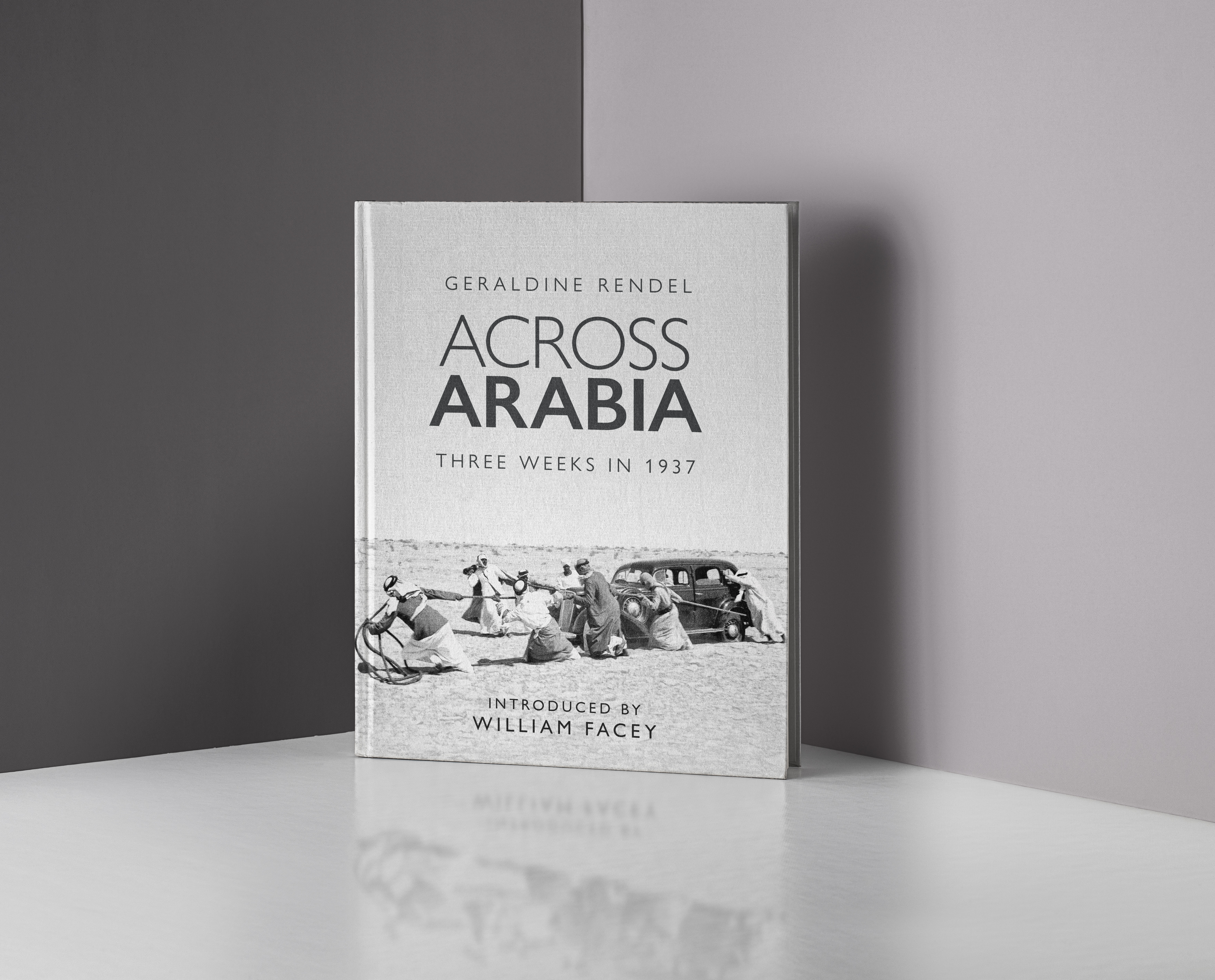
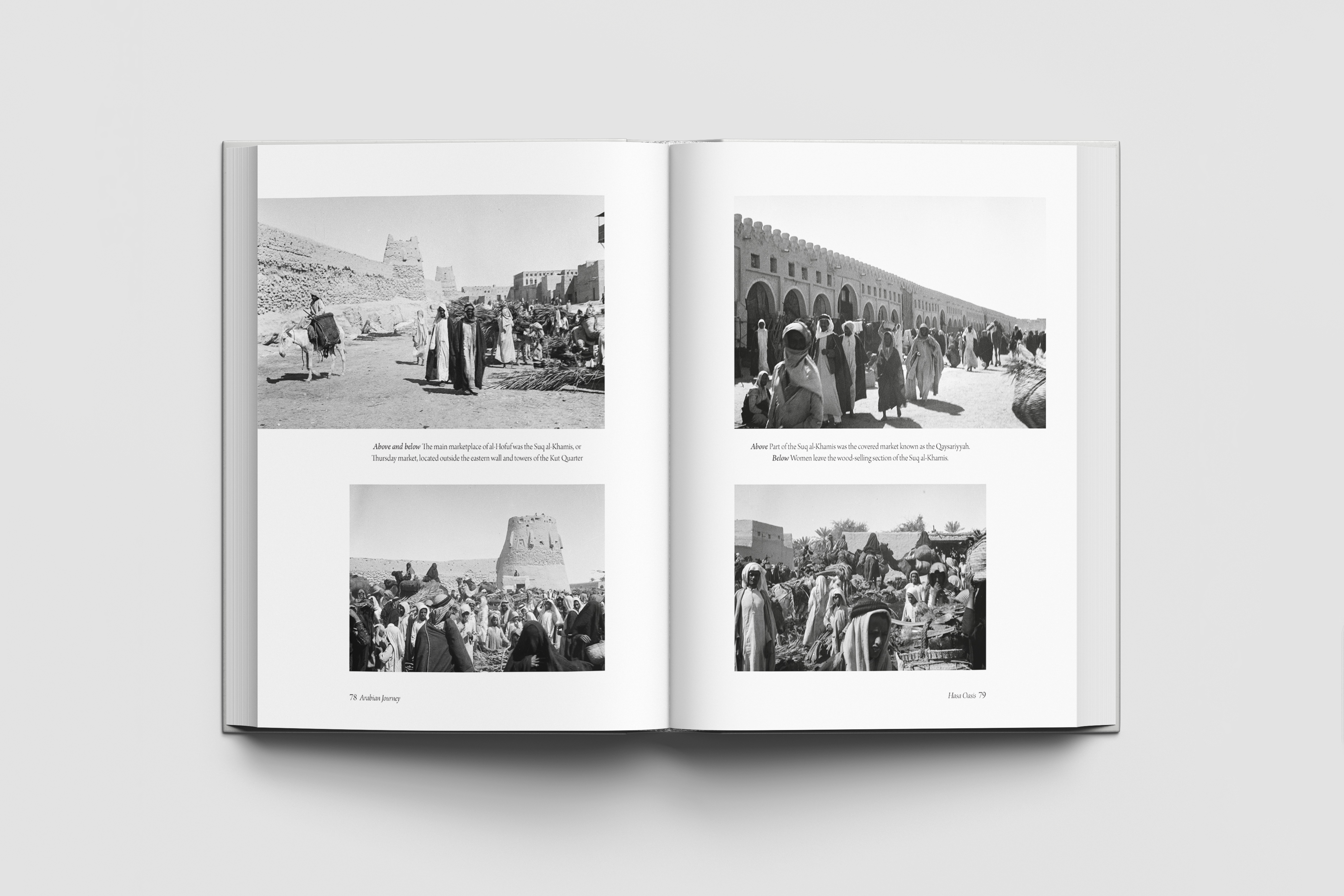
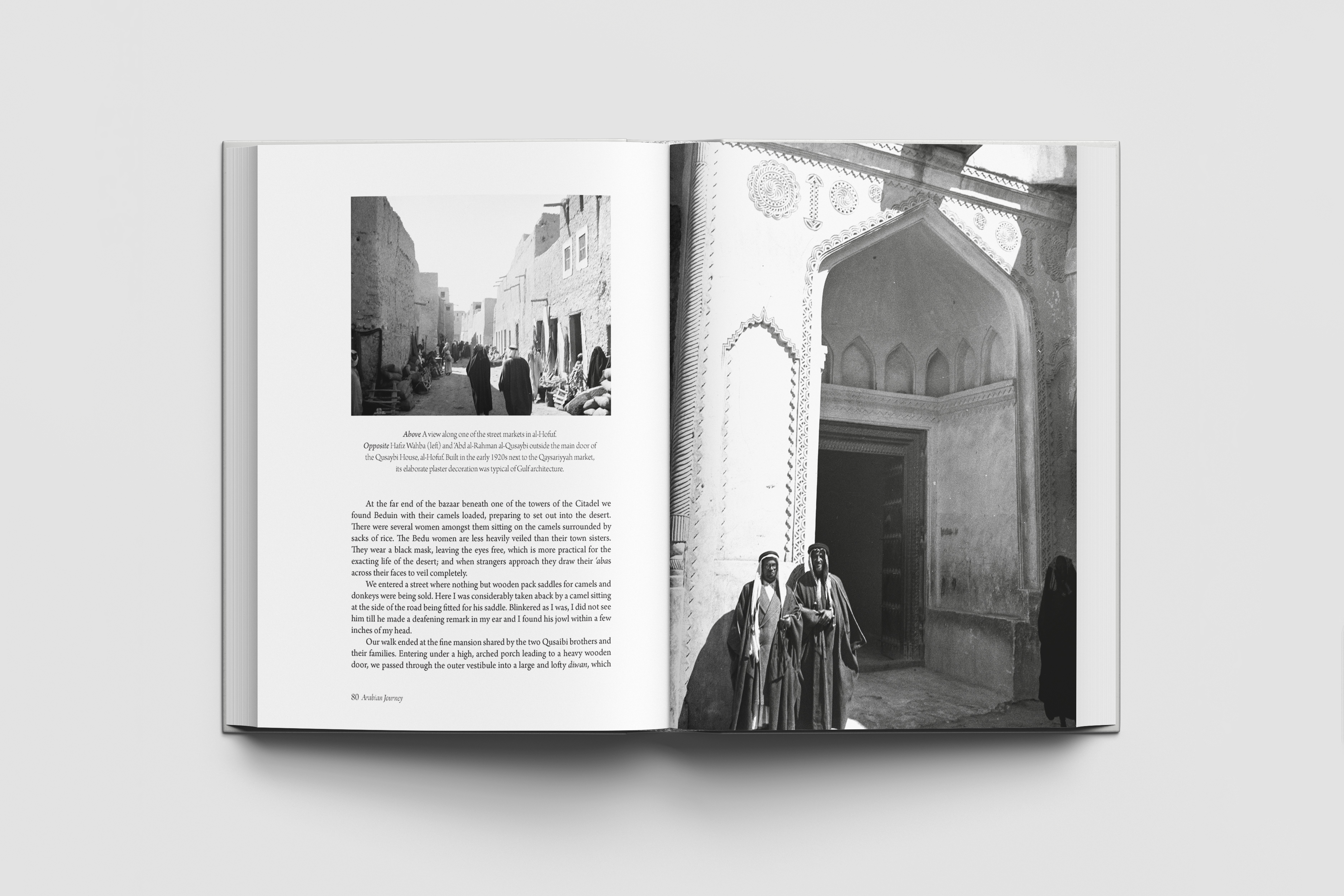
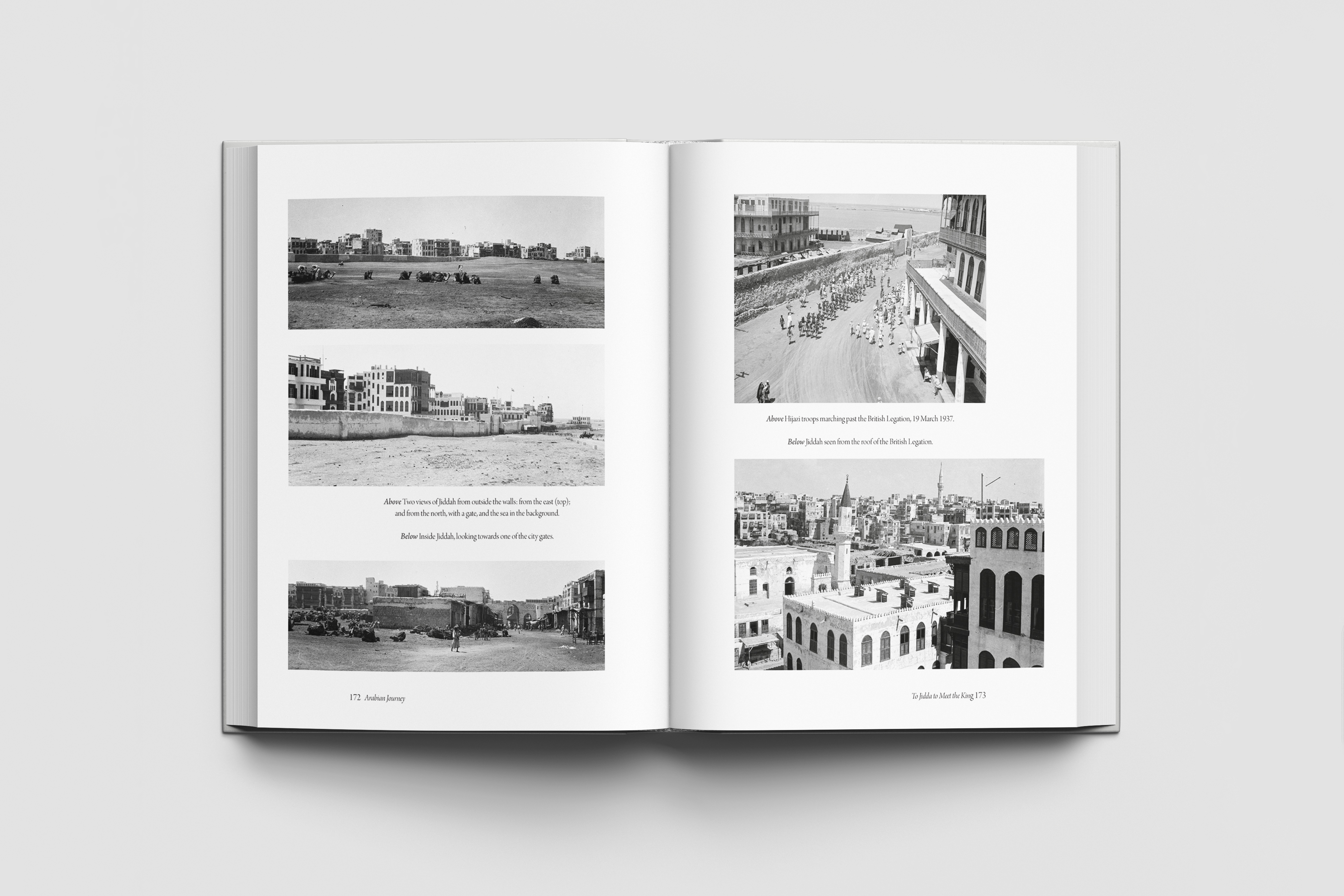
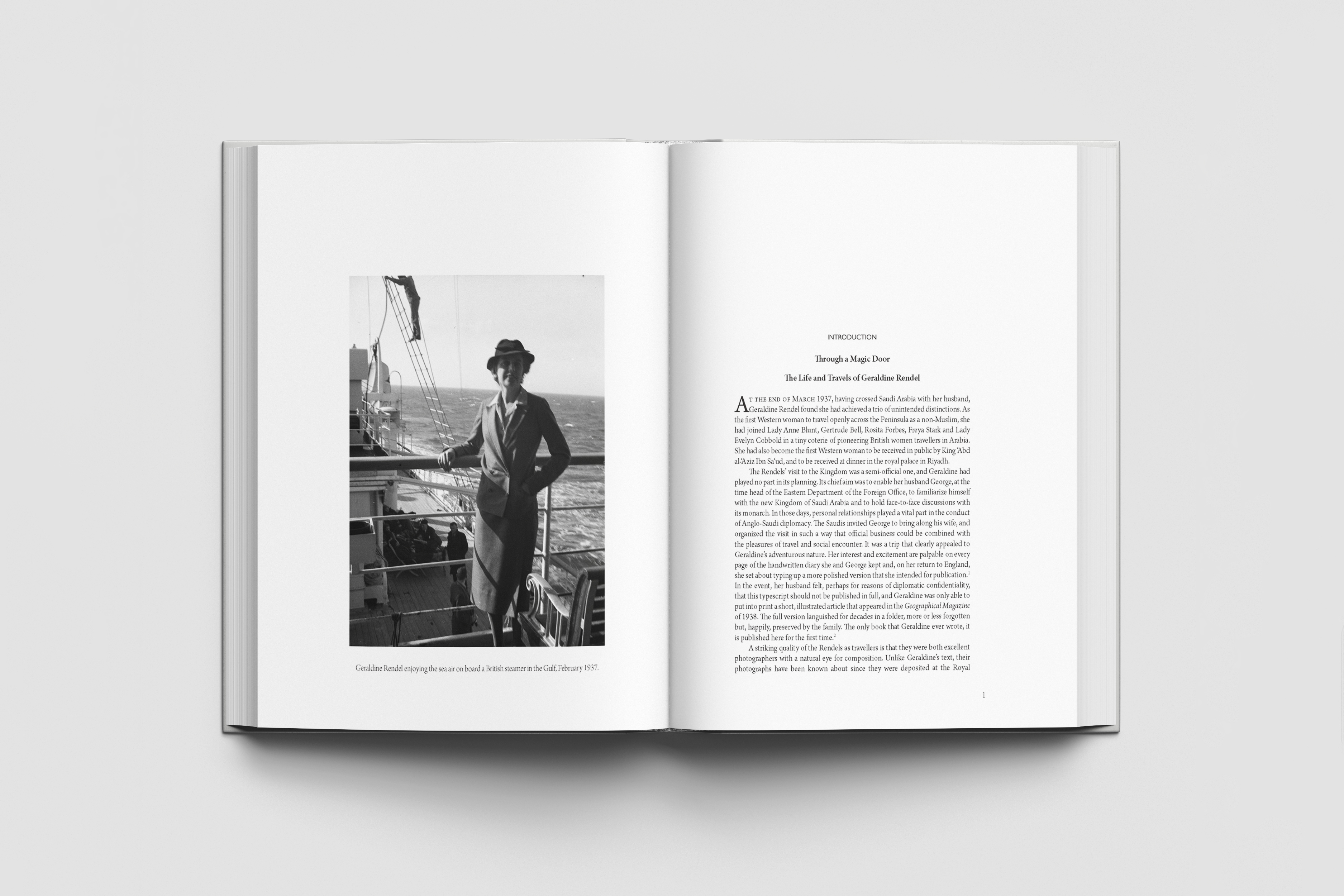
Across Arabia: Three Weeks in 1937 offers a vivid and personal glimpse into Saudi Arabia on the brink of modernisation, as experienced by Geraldine Rendel.
In March 1937, she achieved a remarkable trio of milestones: she was the first Western woman to travel openly across Saudi Arabia as a non-Muslim, the first to be formally received by King ‘Abd al-Aziz, and the first to dine within Riyadh’s royal palace. Her diary combines humour, sharp social commentary, and rare insights into the lives of woman in 1930s Arabia—an era when foreign visitors were still exceptionally rare.
Accompanied by striking photographs of Saudi Arabia in the 1930s, this book captures a nation on the brink of change. Historian William Facey introduces the narrative with a study of Anglo-Saudi relations, placing Geraldine’s travels within a broader historical context and highlighting the significance of her extraordinary journey.
OUR NEW TITLES
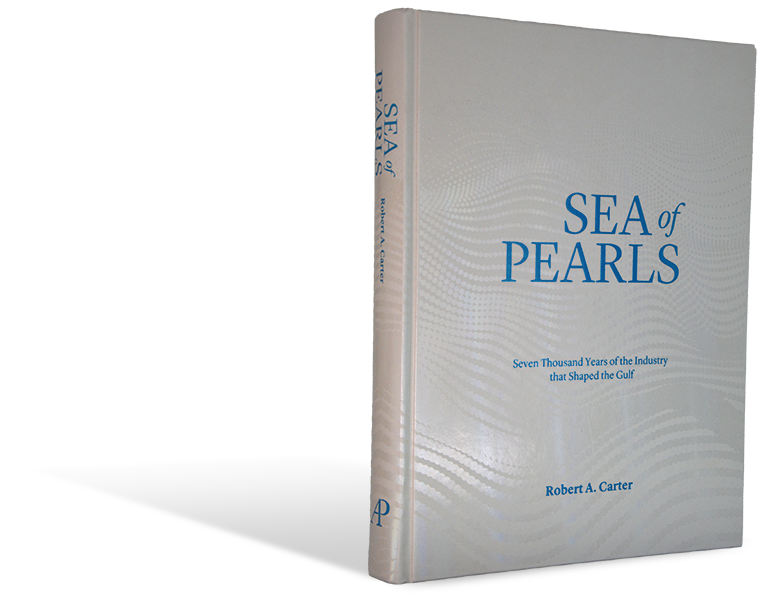
Sea of Pearls
Before the discovery of oil, the sea was the Gulf’s greatest wealth. Each summer, fleets of wooden dhows sailed out into the turquoise waters, their crews diving deep on a single breath, armed only with a nose clip, a stone weight, and a rope. They returned to the surface clutching oysters, hoping for the prize within pearls so perfect they adorned the crowns of kings and captivated the luxury markets of India and Europe.
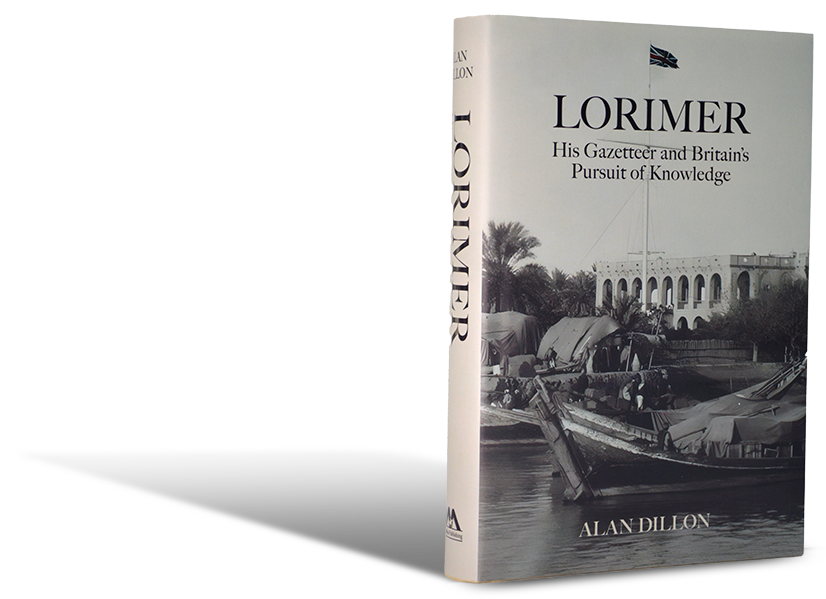
Lorimer
In 1908, the British government quietly commissioned a vast and meticulous record of the Arabian Gulf and surrounding regions. Compiled by John Gordon Lorimer, a senior political officer in the Indian Civil Service, The Gazetteer of the Persian Gulf, Oman and Central Arabia became one of the most extraordinary works of intelligence ever produced by a colonial administration.
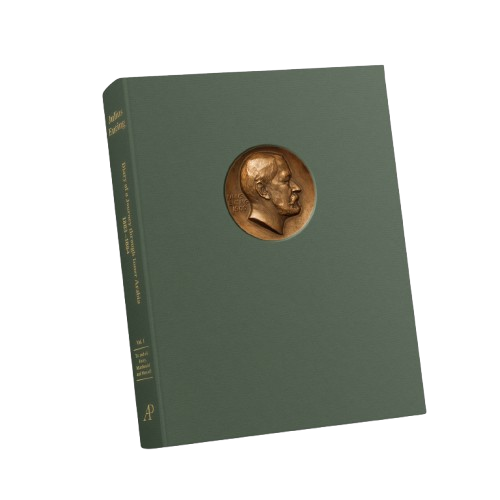
Julius Euting
In the winter of 1883, German epigraphist Julius Euting and French-Alsatian geographer Charles Huber departed Damascus on a perilous journey into the heart of northern Arabia. Their mission: to uncover ancient inscriptions and reveal the region’s forgotten history.
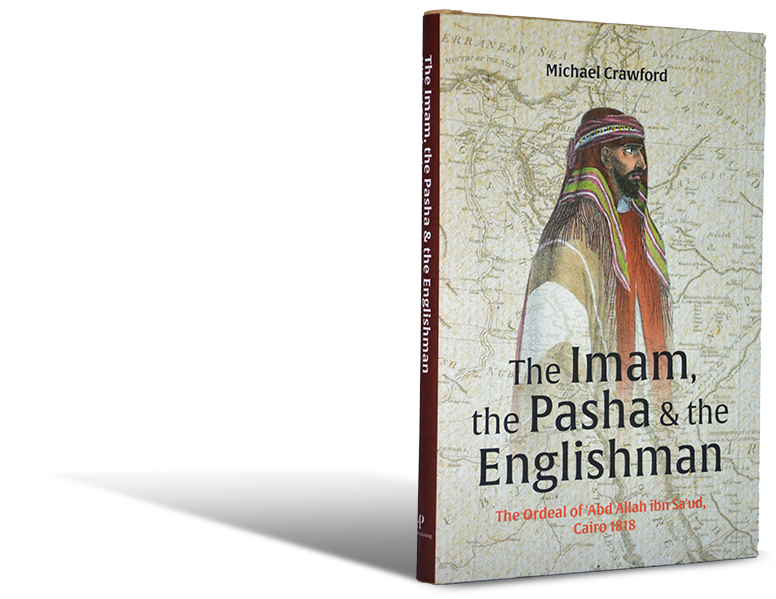
In Praise of the Artisan
Across the Islamic world, artistry is not only preserved—it continues to evolve. From the rhythmic tapping of stone carvers in Rajasthan to the delicate calligraphy of Istanbul’s masters, from Cairo’s woodworkers to the skilled embroiderers of Makkah, crafts that have shaped homes, mosques, and cities for centuries are still vibrant today.
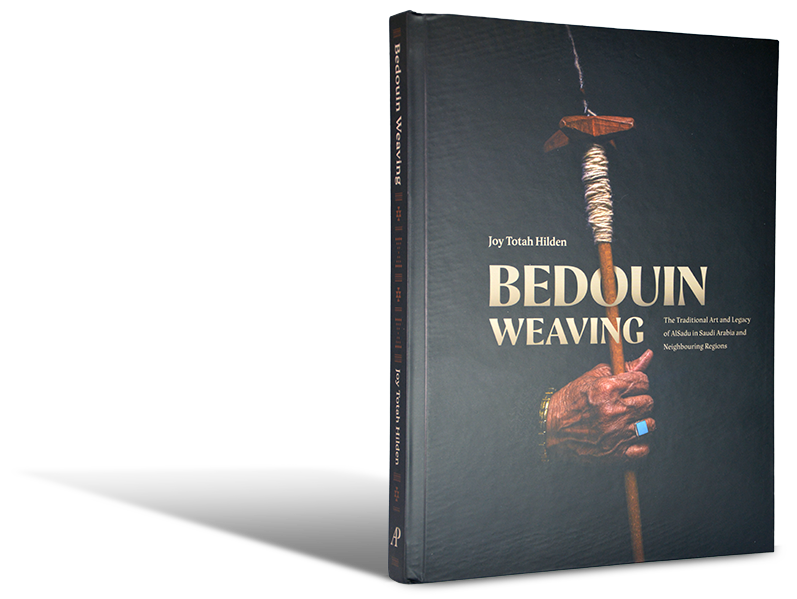
Bedouin Weaving
In the vast deserts of Arabia, where landscapes appear austere and endless, Bedouin women have for centuries created beauty from the simplest of materials. Using the wool of their camels, sheep, and goats, they wove vibrant textiles—bold geometric designs in deep reds, blacks, and whites—that adorned tents, protected families from the elements, and carried symbolic meaning.
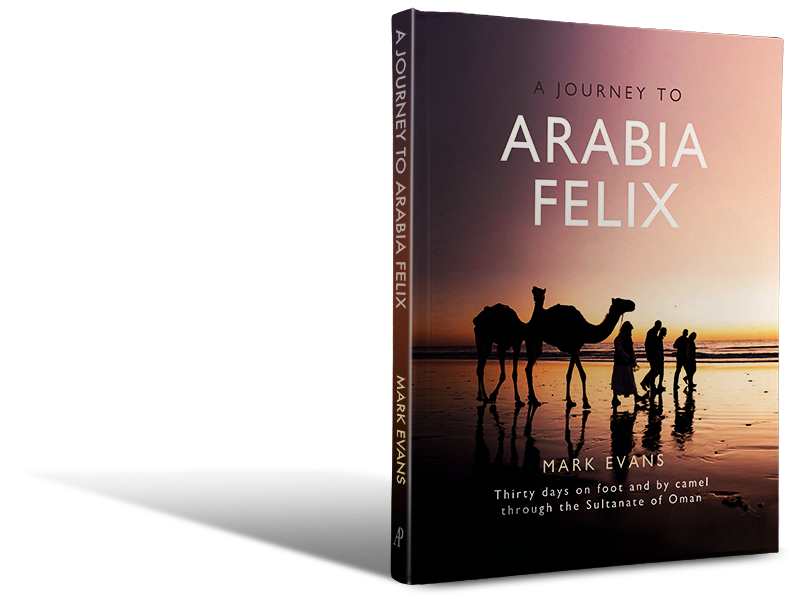
A Journey to Arabia Felix
In the vast deserts of Arabia, where landscapes appear austere and endless, Bedouin women have for centuries created beauty from the simplest of materials. Using the wool of their camels, sheep, and goats, they wove vibrant textiles—bold geometric designs in deep reds, blacks, and whites—that adorned tents, protected families from the elements, and carried symbolic meaning.